Professional containment, cleanup, and environmental remediation for industrial and commercial spills. Protecting your business from environmental liability and regulatory fines. Paverose Environmental provides specialist emergency oil spill response and fuel spill cleanup services for commercial and industrial sites across the UK. From immediate containment to complete remediation and regulatory sign-off, we protect your business, your site, and the environment.
The best spill response is the one you never need. Paverose Environmental offers proactive services to reduce your environmental risk and ensure you’re prepared if an incident does occur.
A spill isn’t just a cleanup problem—it’s a regulatory event. Under the Environmental Protection Act 1990 and Environmental Permitting Regulations, you have legal obligations to report pollution incidents, prevent further contamination, and remediate affected land. Failure to comply can result in unlimited fines and even imprisonment for serious offences.
If a spill enters or is likely to enter a drain, watercourse, or groundwater, you must report it immediately to the Environment Agency (England), Natural Resources Wales, SEPA (Scotland), or NIEA (Northern Ireland). Failure to report is itself a criminal offence.
Under the “polluter pays” principle, the person or business that caused the contamination—or allowed it to occur—is responsible for all remediation costs. If the polluter cannot be identified, liability can fall on the current landowner.
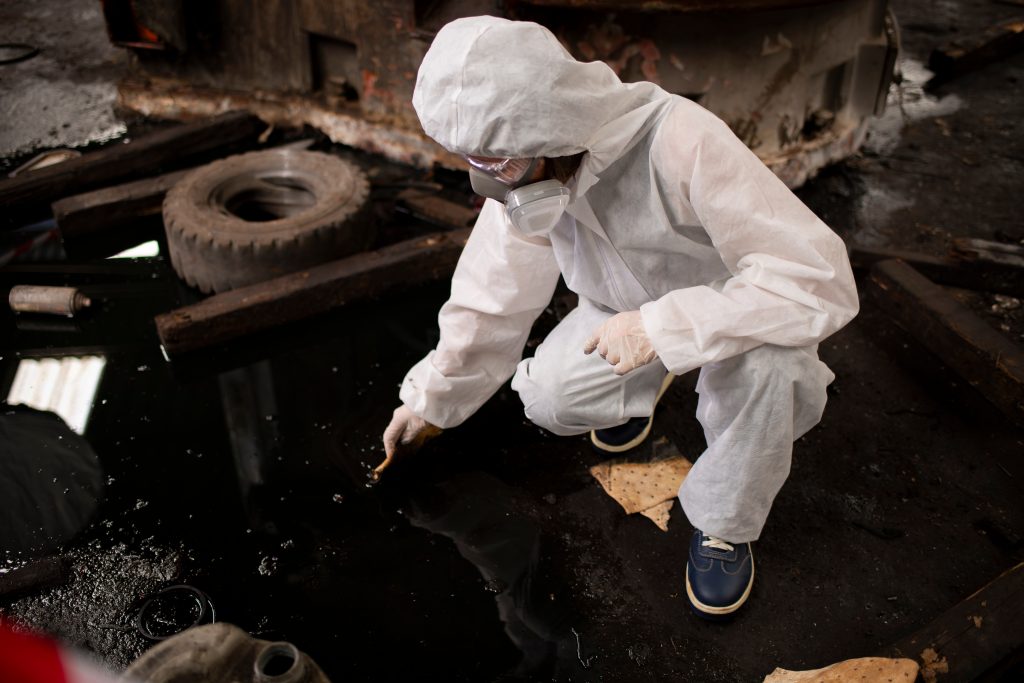
Rapidly plugging leaks, uprighting containers, isolating failed equipment, and stopping the flow of contamination at its origin point
Deploying absorbent booms, barriers, and drain covers to prevent oil from reaching “pathways”—drains, soil infiltration points, or watercourses—that would dramatically expand the contamination zone
Using specialised pumps, vacuum equipment, and industrial absorbents to remove the bulk of the contaminant before it can spread further or penetrate deeper into the ground
Oil spreads relentlessly. On hard surfaces, a single litre of diesel can contaminate up to 1,000 square metres of water. In soil, hydrocarbons migrate downward toward groundwater. Once contamination reaches drains or watercourses, cleanup costs escalate dramatically—and regulatory penalties become almost inevitable.
Professional response in the first hour can be the difference between a manageable incident and a five-figure cleanup bill.
he scale of environmental impact, the complexity of cleanup, and the size of any subsequent fine.

where intervention can save a life. In spill response
We’re not a one-trick operation. From routine maintenance to emergency response, we cover the full spectrum of liquid waste and drainage services.
Still don’t see what you’re looking for? – Contact us, as we can help with most waste services.


Concrete yards, loading bays, forecourts, and industrial floors absorb hydrocarbons into their porous surface. Standard cleaning leaves contamination behind—contamination that continues to leach and can fail regulatory testing.
Our hard surface remediation uses specialist high-pressure cleaning, industrial degreasers, and extraction equipment to remove hydrocarbons from concrete and tarmac surfaces. We don’t just clean the visible spill—we remove the contamination that’s penetrated beneath the surface.
If oil reaches a river, stream, pond, or attenuation system, the environmental and regulatory consequences escalate dramatically. Watercourse pollution control requires specialist techniques:
Watercourse contamination must be reported to the Environment Agency (or equivalent regulator) immediately. We can handle this liaison on your behalf, managing the regulatory relationship while you focus on your business.


This is where our civil engineering background becomes a key differentiator. When oil penetrates soil, surface cleaning isn’t enough—contaminated ground must be professionally excavated and disposed of to prevent ongoing pollution of groundwater and surrounding land.
Paverose Environmental provides complete contaminated soil removal services:
Through Paverose Civils, we have the groundworks capability to handle significant excavation projects—not just surface cleanup, but complete land remediation and restoration
Oil trapped in drainage pipework continues to cause problems long after the visible spill is cleaned. Residual hydrocarbons coat pipe walls, accumulate at low points, and gradually release—creating “chronic” pollution that can trigger enforcement action months after the original incident.
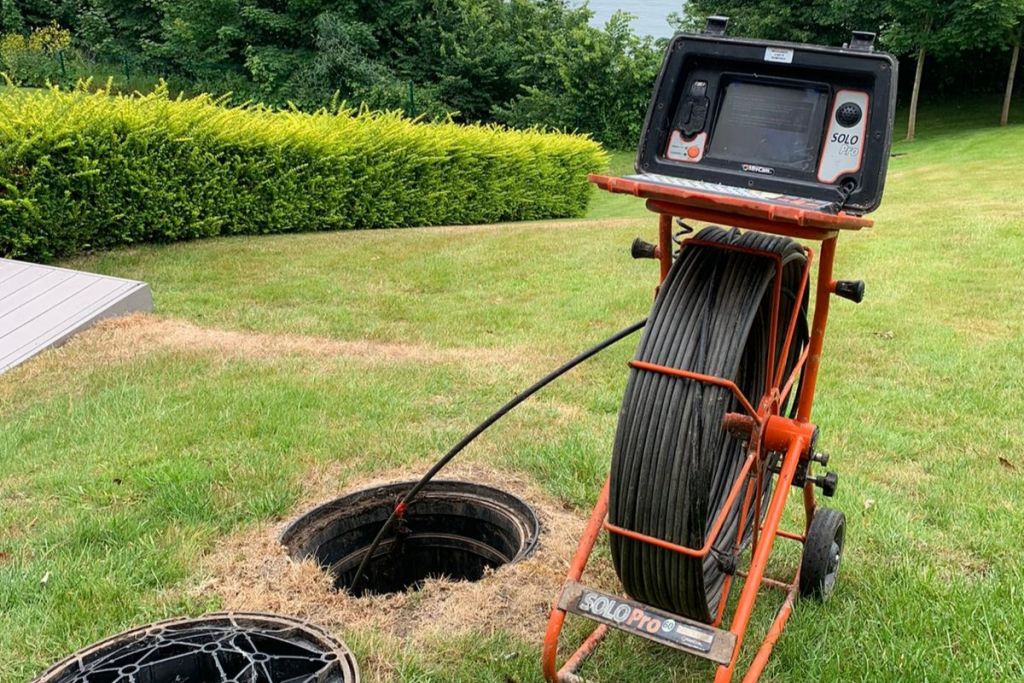
Our high-pressure jetting service flushes contaminated drainage systems, removing hydrocarbon residue and preventing ongoing pollution. Combined with CCTV inspection, we can verify that your drainage is clean and document the condition for regulatory purposes.
Whether it’s an emergency or you’re planning ahead, we’re ready to help.
Paverose Environmental acts as your technical representative when dealing with regulators. We understand what the Environment Agency expects to see, what documentation satisfies their requirements, and how to demonstrate that you’ve taken “reasonable steps” to prevent pollution and remediate its effects.
Having an experienced spill response contractor managing the incident—and the regulatory relationship—protects your business from enforcement escalation and demonstrates the due diligence that can mitigate penalties.
Regulatory sign-off requires evidence that remediation is complete. We provide soil and water sampling with laboratory analysis to demonstrate contamination levels are below acceptable thresholds. This documentation is essential for:
Every Paverose Environmental spill response includes comprehensive documentation,
This documentation package supports your insurance claim, satisfies regulatory requirements, and protects your business from future liability.
technical “before and after” documentation with photography
ull chain of custody for all contaminated material removed from site
proving contamination levels and remediation effectiveness
confirmation that cleanup meets regulatory standards
"Called them at 11pm on a Saturday with a flooded basement. They were there within the hour and had it sorted by morning. Absolute lifesavers."
Our target is rapid mobilisation for emergency spill response, with arrival times depending on your location and the severity of the incident. When you call our emergency line, you’ll speak directly to a spill response specialist who can assess your situation and give you an honest arrival estimate. For major incidents, we can deploy multiple teams and specialist equipment.
Under UK environmental law, you have a duty to prevent pollution and report incidents that affect or could affect controlled waters (drains, watercourses, groundwater). The “polluter pays” principle means you’re responsible for all remediation costs. Recent legislation has removed caps on civil penalties—the Environment Agency can now impose unlimited fines for pollution offences, and serious cases can result in imprisonment. Having a professional response demonstrates due diligence and can significantly reduce penalties.
Yes. However, standard cleaning methods often leave hydrocarbon contamination in the porous surface—contamination that can fail regulatory testing or continue to leach. Our specialist hard surface remediation uses industrial degreasers, high-pressure cleaning, and extraction equipment to remove hydrocarbons from concrete, tarmac, and block paving, not just clean the visible surface.
Yes—this is essential for claim processing. Our documentation package includes a detailed incident report with before/after photography, Waste Transfer Notes for all removed materials, laboratory analysis certificates, and a remediation verification report. This documentation demonstrates the scope of the incident, the work undertaken, and confirmation that cleanup meets regulatory standards.
If the spill enters or is likely to enter a drain, watercourse, or groundwater, you must report it immediately. Failure to report is itself a criminal offence. We can handle this liaison on your behalf, managing the regulatory relationship while ensuring you meet your legal obligations.
We respond to all hydrocarbon spills including diesel, petrol, heating oil, hydraulic oil, lubricants, and kerosene. We also handle chemical spills and other hazardous materials where we have the appropriate licensing and expertise. If you’re unsure whether we can help, call our emergency line and we’ll assess your situation.