Rapid response diagnostics and structural repairs for foul, storm, and final effluent pumping stations. Restoring performance, ensuring compliance, and preventing environmental incidents.
At Paverose Environmental, we provide specialist pump station repairs and maintenance for sewage, surface water, and effluent pumping systems. From a tripped high-level alarm to a complete motor burnout, our engineers have the expertise to restore your system to full operation.
Pump station problems rarely announce themselves conveniently. Often, the first sign is a crisis. But if you know what to look for, you can catch issues before they escalate into emergencies.
A failed pump station isn’t just an inconvenience—it’s a potential environmental incident. Unauthorised discharges of untreated sewage can result in significant penalties under environmental legislation. If your pump station serves multiple properties or commercial premises, the reputational and financial consequences of a failure can be severe. Don’t wait for an overflow to take action.
We’re not a one-trick operation. From routine maintenance to emergency response, we cover the full spectrum of liquid waste and drainage services.
Still don’t see what you’re looking for? – Contact us, as we can help with most waste services.

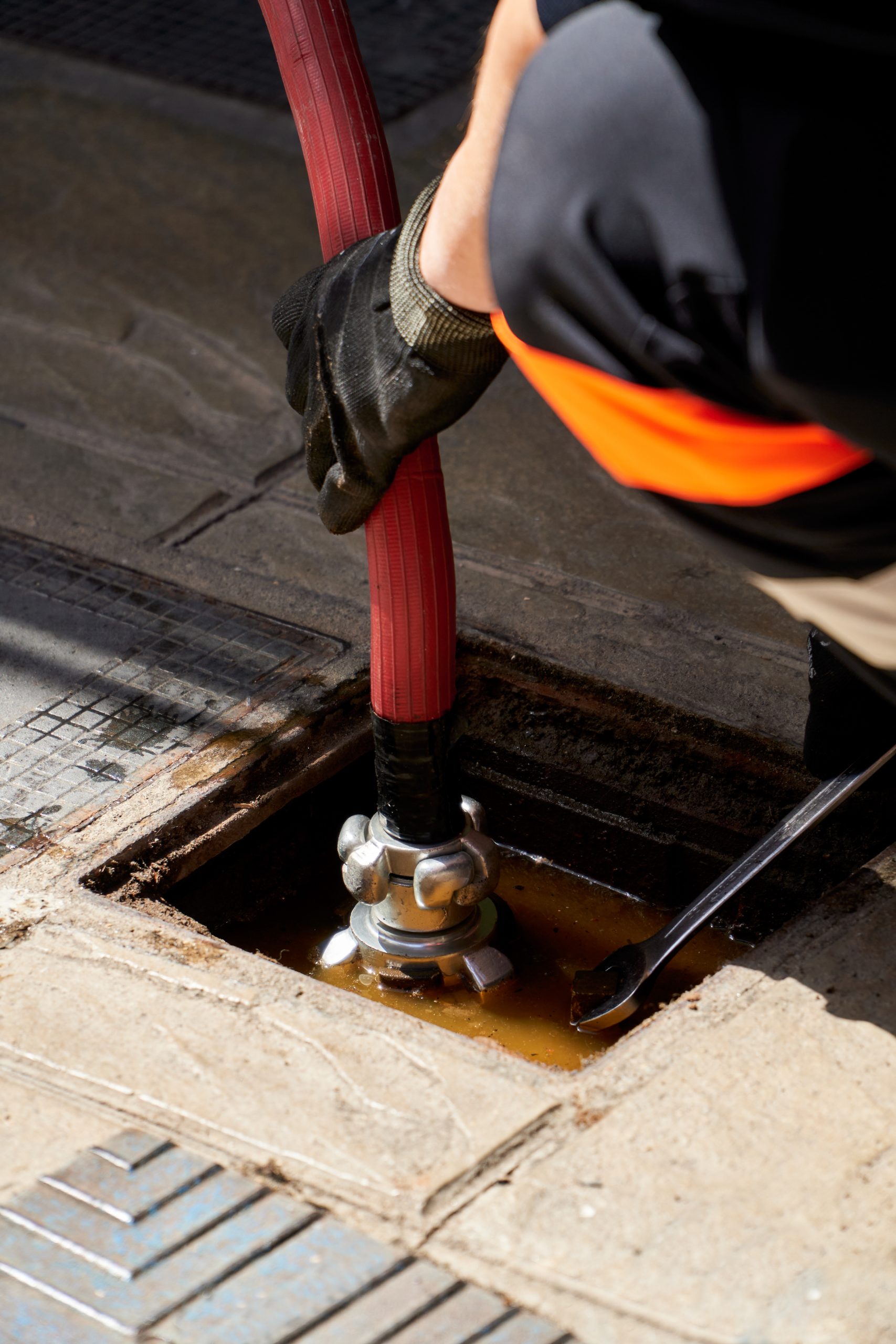
Emergency repairs are expensive and disruptive. Planned preventative maintenance (PPM) catches problems before they become failures—and costs a fraction of an emergency call-out.
Our routine maintenance visits cover both mechanical and electrical systems:
For most domestic and light commercial stations, we recommend servicing every 6-12 months. High-usage systems (multi-occupancy buildings, commercial kitchens, industrial sites) may need quarterly visits.
Whether it’s an emergency or you’re planning ahead, we’re ready to help.
Unlike general drainage contractors, we handle both the “wet” side and the electrical side of pump station repairs. Our engineers diagnose and fix mechanical faults, electrical failures, and control system problems—giving you a complete repair service from a single provider.
Submersible sewage pumps take a beating. They’re submerged in corrosive wastewater, handling everything from human waste to the things people shouldn’t flush (wet wipes, we’re looking at you). Common repairs include:
The control panel is the brain of your pump station. When it fails, nothing works properly—even if the pumps themselves are fine. We diagnose and repair:
Float switches are often the most common failure point in pump stations. They’re constantly submerged in sewage, getting coated in grease and debris that prevents them moving freely. When floats stick or fail, pumps either run continuously (burning out the motor) or don’t run at all (causing overflow).
We replace faulty floats and level sensors, calibrate them correctly for your wet well dimensions, and ensure the high-level alarm triggers at the right point to give you warning before overflow occurs.
It’s not always the pump that’s the problem. Failed pipework and valves can cause symptoms that look like pump failure:
"Called them at 11pm on a Saturday with a flooded basement. They were there within the hour and had it sorted by morning. Absolute lifesavers."
For emergency call-outs, we aim to have an engineer on site within hours, not days. Response times depend on your location and current workload, but we prioritise pump station failures because of the environmental and operational risks involved. When you call, we’ll give you an honest assessment of when we can reach you.
A high-level alarm means the liquid level in your wet well has risen to a critical point—the pump isn’t keeping up with the inflow. This could be due to a pump failure, blocked impeller, faulty float switch, electrical fault, or a blockage in the rising main. It’s a warning that overflow is imminent if the problem isn’t resolved. Don’t ignore it. Call us immediately so we can diagnose and fix the issue before it becomes an environmental incident.
Yes. We work on all major manufacturers including Grundfos, Xylem/Flygt, Tsurumi, KSB, Jung Pumpen, Lowara, DAB, and many others. If your pump is from a less common manufacturer, let us know when you call and we’ll confirm we can source any required parts.
Absolutely. We often combine pump repairs with wet well cleaning using a vacuum tanker. Removing accumulated sludge, grease, and debris reduces the load on your pumps and helps prevent future blockages. For many repairs, cleaning the wet well first is essential to properly access and inspect the pumps.
For domestic and light commercial stations, annual or six-monthly servicing is typically sufficient. High-usage systems—multi-occupancy buildings, commercial kitchens, industrial sites—should be serviced quarterly or even monthly depending on loading. We’ll assess your system and recommend an appropriate schedule based on its usage and condition.
It depends on the pump’s age, the nature of the fault, and the cost of repair versus replacement. Simple issues like float switches, seals, or cleared blockages are usually worth repairing. If the motor has failed on an older pump, replacement is often more cost-effective. Our engineers will give you an honest assessment and won’t recommend replacement unless it genuinely makes sense.