Bespoke drainage design, percolation testing, and SuDS-compliant soakaway installations for residential and commercial properties.
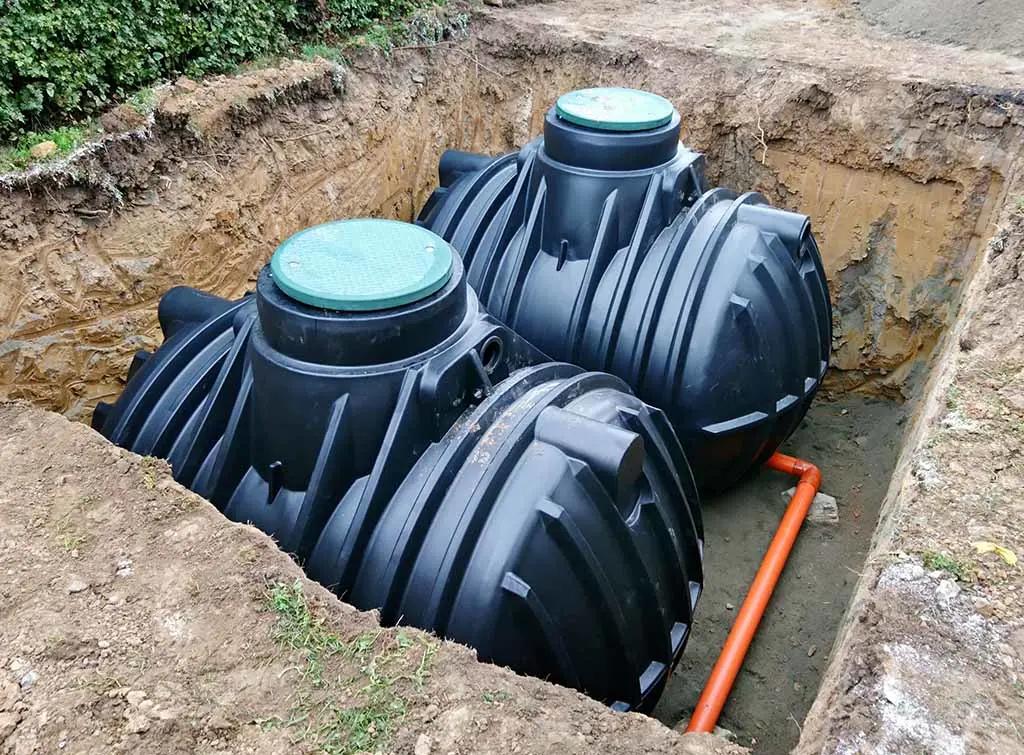
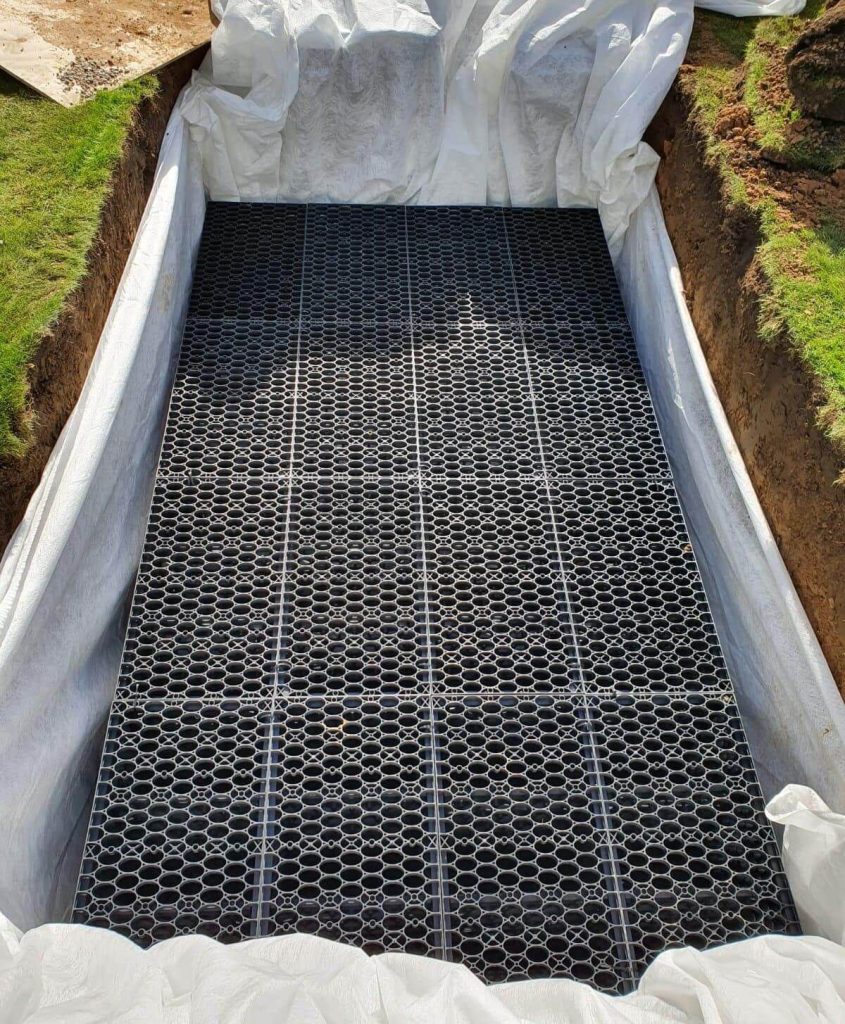
A soakaway is an underground structure that temporarily stores rainwater and allows it to gradually soak into the surrounding soil. It’s the UK’s preferred method of dealing with surface water—and in many cases, it’s the only option that meets current regulations.
Here are the most common situations where a soakaway becomes necessary:
Building Regulations (Approved Document H) establish a clear hierarchy for surface water disposal: soakaway first, then watercourse, then sewer—only if the previous options aren’t viable. If you’re adding roof area to your property through an extension, conservatory, or outbuilding, you’ll almost certainly need to demonstrate how you’re managing the additional rainwater. Building Control will want to see that your drainage meets the regulations before signing off.
When you replace a lawn with impermeable surfaces like block paving or concrete, rainwater that previously soaked into the ground now needs somewhere to go. A properly designed soakaway prevents the puddling, flooding, and runoff problems that plague poorly planned hardstanding areas. It’s also worth noting that planning permission may be required for driveways over a certain size if you’re not using permeable surfaces or directing water to a soakaway.
Properties without access to a public surface water sewer have no choice but to manage rainwater on-site. A soakaway provides an effective, low-maintenance solution for dispersing roof and surface runoff back into the ground naturally.
If you have a septic tank or sewage treatment plant, the treated effluent needs to go somewhere. A properly designed drainage field (which works on similar principles to a soakaway) disperses this effluent safely into the ground. We can design and install drainage fields that meet current Environment Agency General Binding Rules.

Soakaways are a key component of Sustainable Drainage Systems—an approach to surface water management that’s increasingly required by planning authorities across the UK.
SuDS aims to mimic natural drainage as closely as possible. Instead of rushing rainwater off-site into sewers (which can overwhelm the system and cause flooding downstream), SuDS techniques manage water at source—allowing it to soak into the ground, be stored temporarily, or drain away slowly.
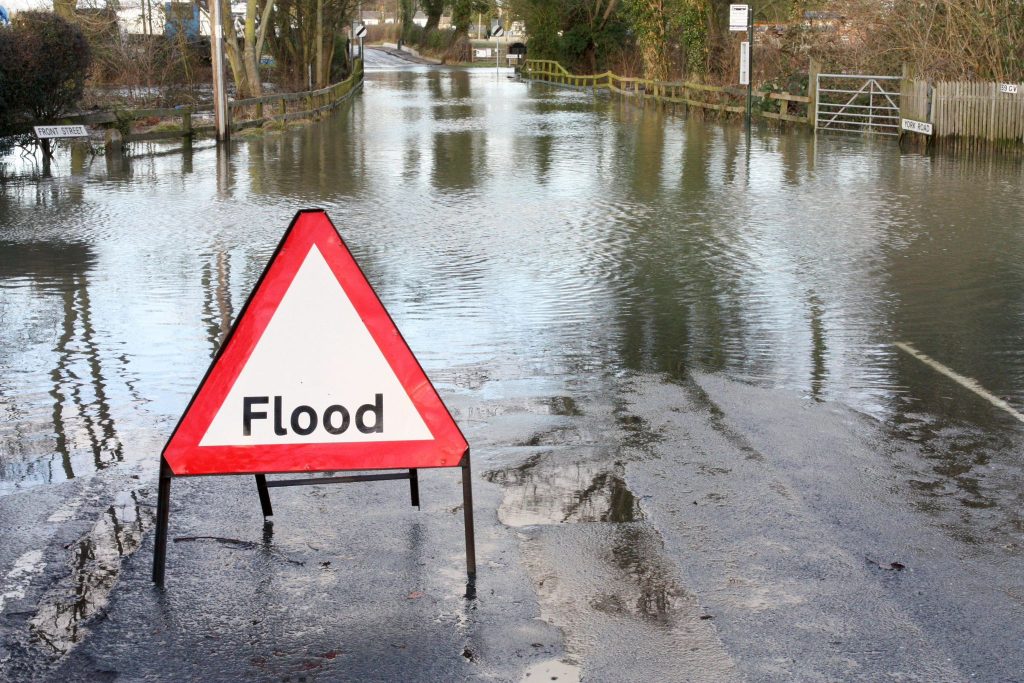
Climate change is bringing more intense rainfall events. At the same time, urban development is increasing the amount of impermeable surface area. The result? More water, with fewer places for it to go. SuDS helps break this cycle by:
Many local authorities now mandate SuDS for any new development or significant landscaping project. Our soakaway installations are designed to meet SuDS compliance requirements, giving you documentation that satisfies planning conditions and Building Control.
We’re not a one-trick operation. From routine maintenance to emergency response, we cover the full spectrum of liquid waste and drainage services.
Still don’t see what you’re looking for? – Contact us, as we can help with most waste services.
Whether it’s an emergency or you’re planning ahead, we’re ready to help.
Here’s something many contractors won’t tell you: a soakaway is only as good as the soil it sits in. Install one in the wrong ground conditions, and it will fail—potentially flooding your property or a neighbour’s.
That’s why we always start with proper site analysis and percolation testing before designing any system.
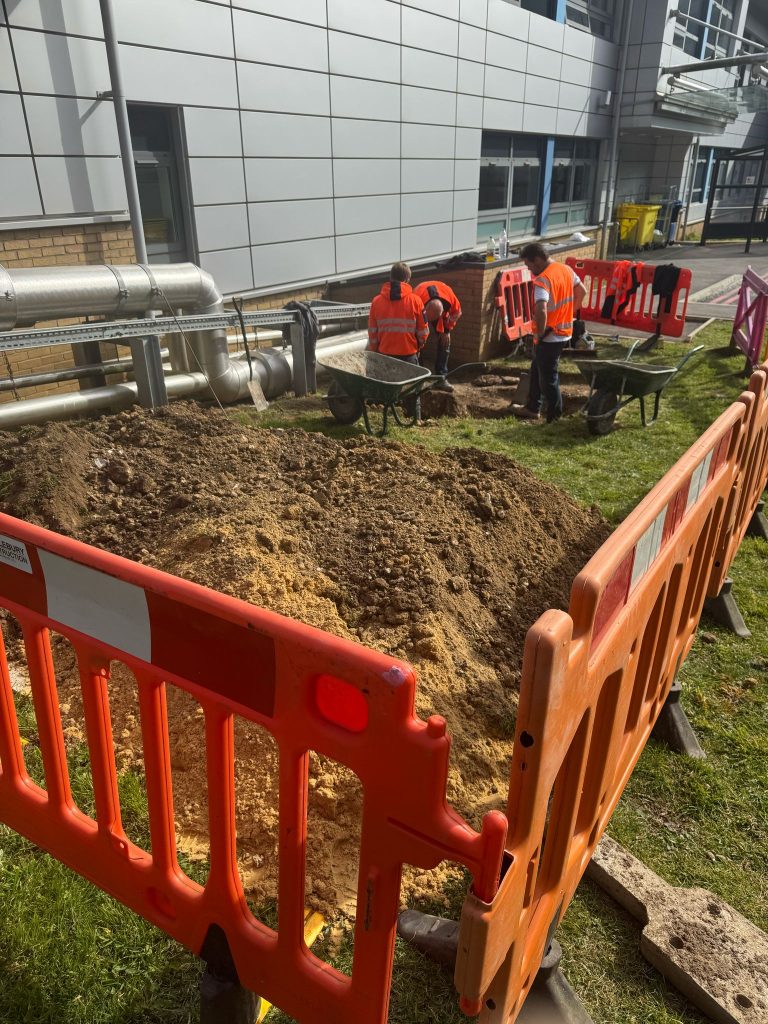
A percolation test (or “perc test”) measures how quickly water drains through your soil. The test involves excavating trial pits, filling them with water, and timing how long the water takes to drain away. The result—expressed as a Vp value (the time in seconds for the water level to drop by 1mm)—determines whether your ground is suitable for a soakaway and, if so, how large that soakaway needs to be.
Percolation rate is just one factor. We also assess:
This thorough assessment ensures your soakaway installation meets Building Regulations Part H requirements and will actually perform when it needs to.
"Called them at 11pm on a Saturday with a flooded basement. They were there within the hour and had it sorted by morning. Absolute lifesavers."
Building Regulations require a minimum distance of 5 metres from any building to protect foundations from potential water damage or subsidence. You’ll also need to maintain at least 2.5 metres from property boundaries. If space is tight, we can discuss alternative solutions such as linear soakaways or permeable paving systems that might work within your constraints.
Clay presents challenges because it drains slowly—or in some cases, barely at all. A percolation test will confirm whether your clay soil can support a soakaway. If infiltration rates are too low, alternatives include attenuation tanks with controlled discharge to a sewer or watercourse (subject to consents), permeable paving with sub-base storage, or infiltration trenches with greater surface area to compensate for slower drainage. We’ll test first, then recommend the most practical solution for your site.
Installing a soakaway for surface water drainage typically falls under Permitted Development and doesn’t require planning permission. However, you will need Building Regulations approval—Building Control will want to see that the system meets Part H requirements before signing off your project. If you’re installing a drainage field for a septic tank or treatment plant, different rules apply and you may need Environment Agency permits depending on your location.
A properly designed and installed modern soakaway system should last 20-30 years or more. Longevity depends on build quality, appropriate sizing, and—crucially—preventing silt and debris from entering the system. That’s why we always include silt traps and proper geotextile wrapping in our installations. Occasional maintenance (clearing silt traps, checking inlet pipes) helps maximise lifespan.
Costs vary depending on system size, site access, ground conditions, and how much excavation and spoil removal is required. Typical domestic installations range from £1,500 to £3,500. Commercial projects are quoted individually based on the scale and complexity involved. We provide fixed-price quotes after site assessment, so you know exactly what you’re paying before work begins.
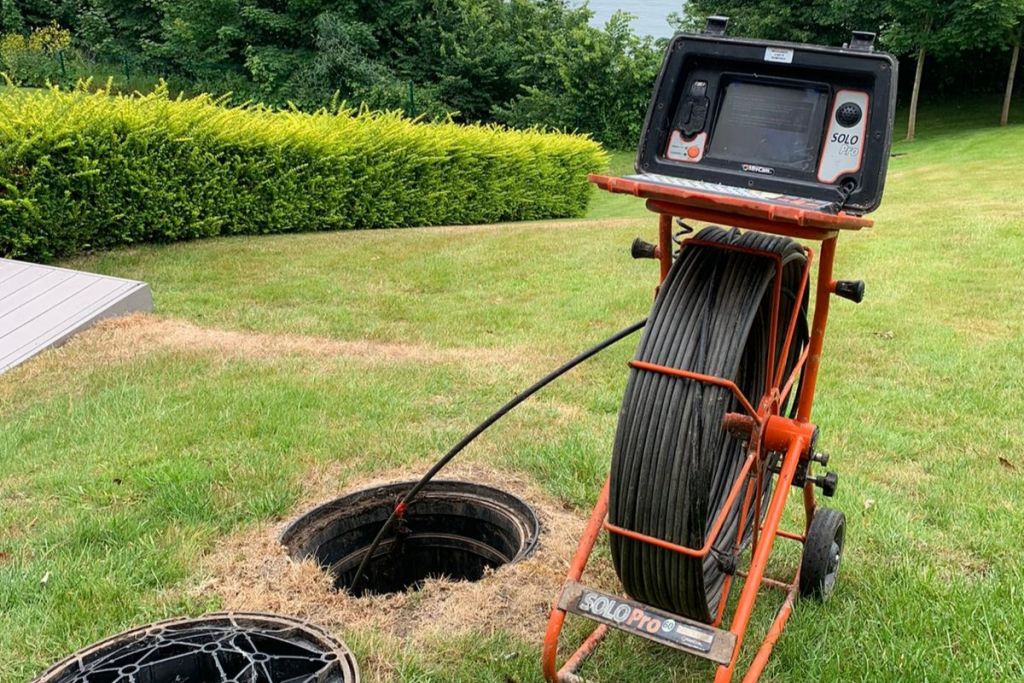
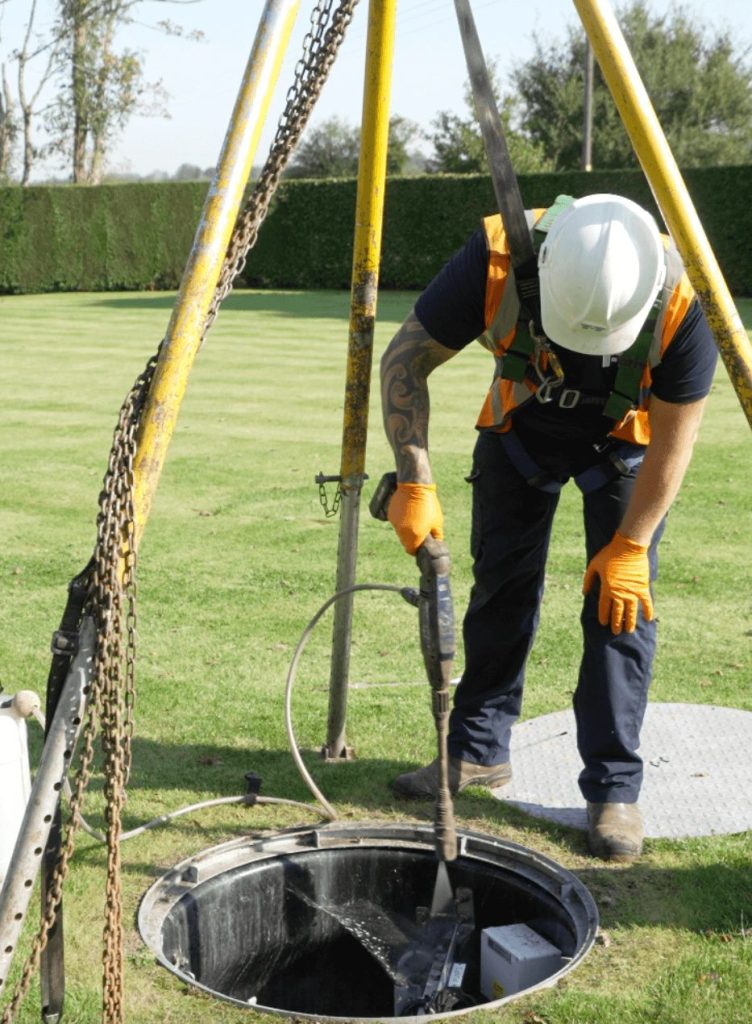
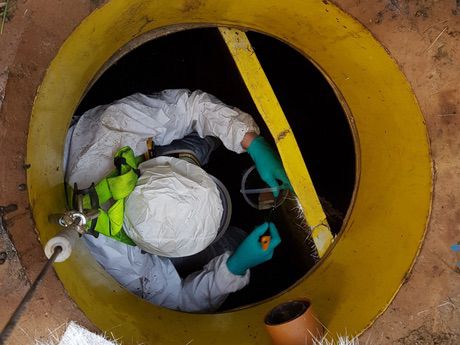
If your existing soakaway isn’t coping, it’s usually due to one of three problems: it’s too small for the roof/surface area it serves, it’s become silted up and clogged over time, or it’s partially collapsed. We can investigate with a CCTV survey or trial excavation, then recommend whether repair, replacement, or an additional system is the best solution.