Ensuring your oil/water separators meet BS EN 858-2 and current environmental standards. From structural lining to alarm system repairs, we protect your site from pollution and prosecution.
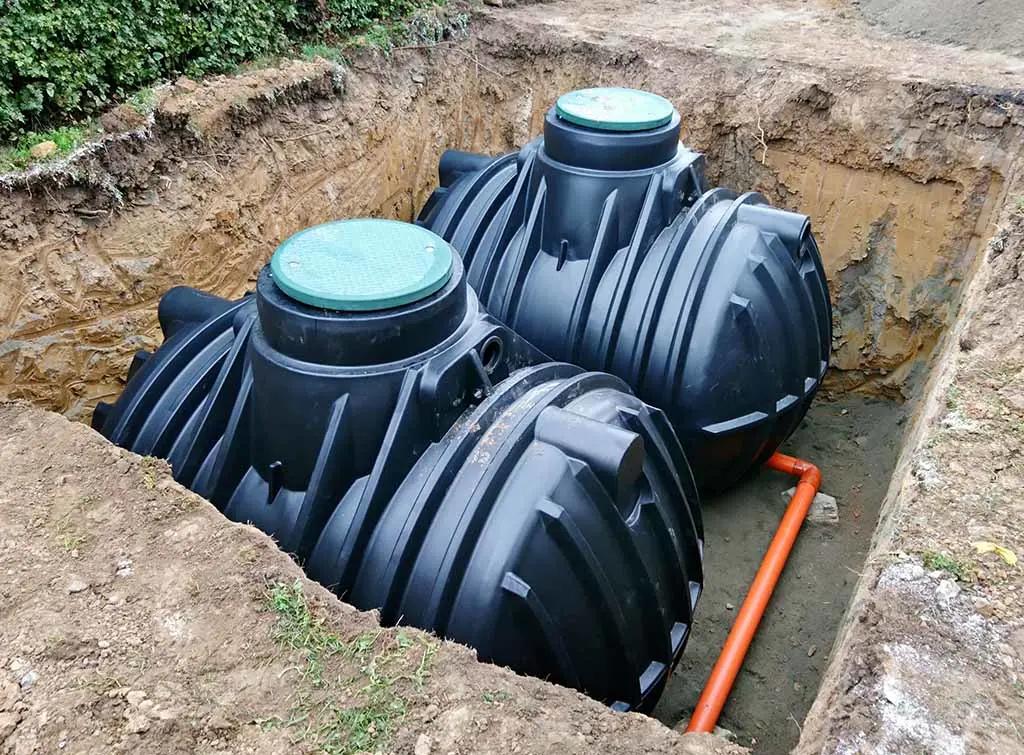
Interceptors aren’t optional equipment—they’re a regulatory requirement for any site where oil-contaminated surface water could enter drains or watercourses. Petrol stations, car parks, haulage yards, vehicle workshops, industrial sites, and any premises handling hydrocarbons must have properly functioning separators.
The regulatory landscape has tightened significantly. While PPG3 (Pollution Prevention Guidelines) was withdrawn in 2015, the underlying legal requirements remain in force, supported by BS EN 858-2:2003 and current Guidance for Pollution Prevention (GPP3). The Environment Agency, SEPA, and Natural Resources Wales actively enforce these standards—and businesses are being prosecuted for interceptor failures.
We’re not a one-trick operation. From routine maintenance to emergency response, we cover the full spectrum of liquid waste and drainage services.
Still don’t see what you’re looking for? – Contact us, as we can help with most waste services.
Most interceptors fail because of gradual silt accumulation, forgotten filter replacements, or undetected mechanical problems—not sudden catastrophic failure. The solution is proactive maintenance, not reactive emergency call-outs.
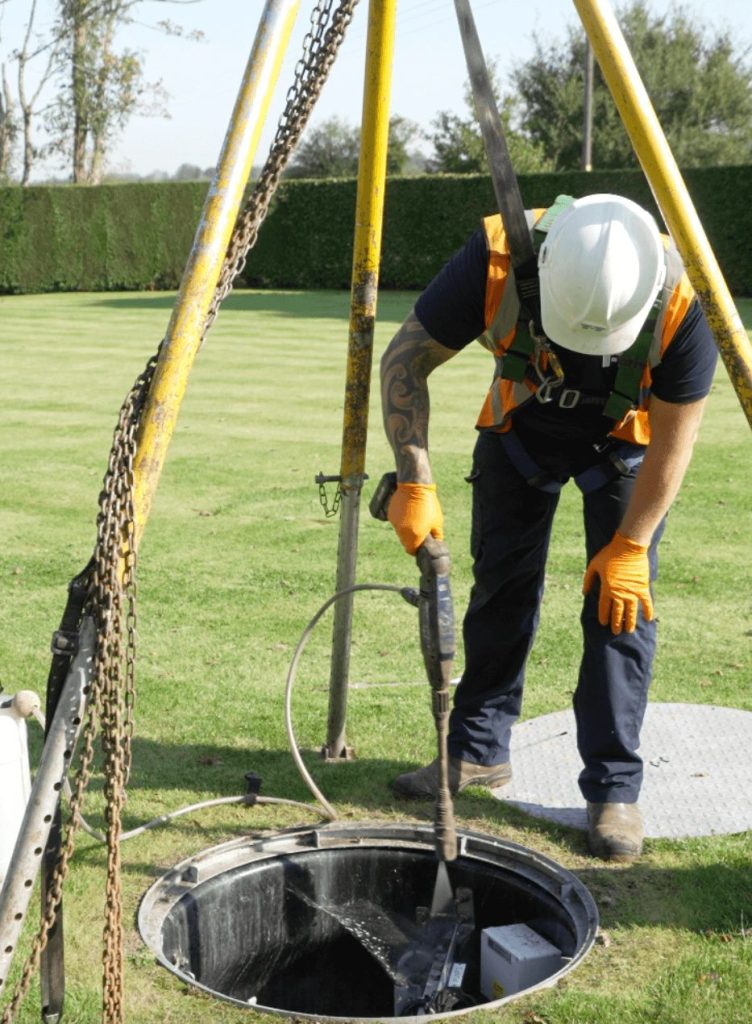
BS EN 858-2 and GPP3 guidance require interceptor maintenance at least twice yearly. But “maintenance” doesn’t simply mean emptying by tanker—it means systematic inspection and testing of all components.
If silt or oil levels require emptying, we arrange tanker services. If components need repair or replacement, we provide clear recommendations and quotations. The key is that you receive a proper assessment of your interceptor’s condition—not just an emptying service that tells you nothing about whether the system is actually working.
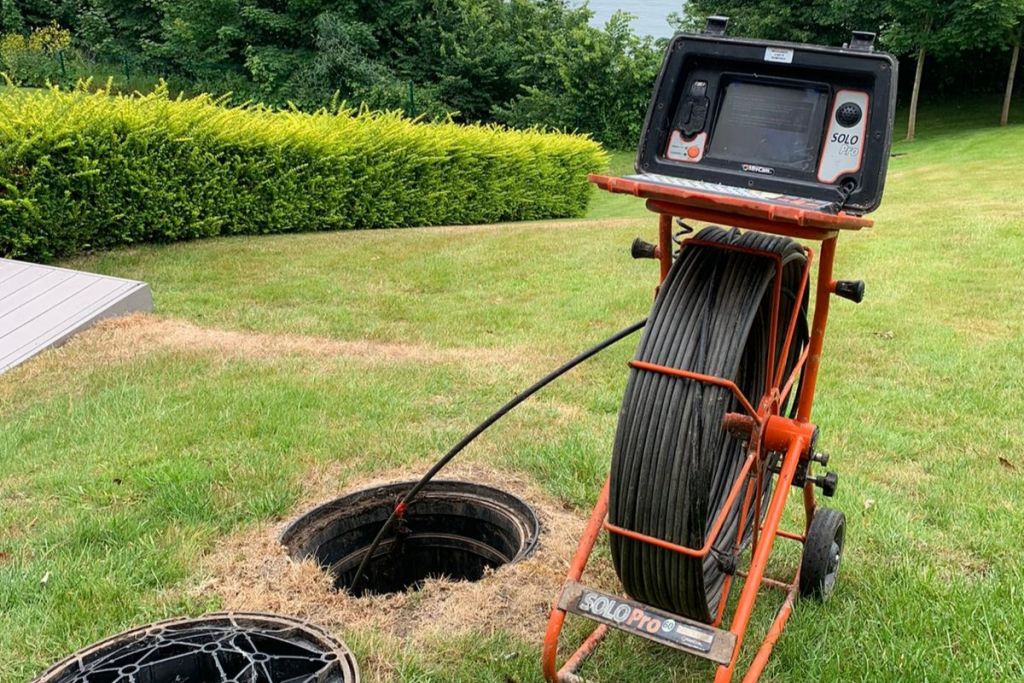
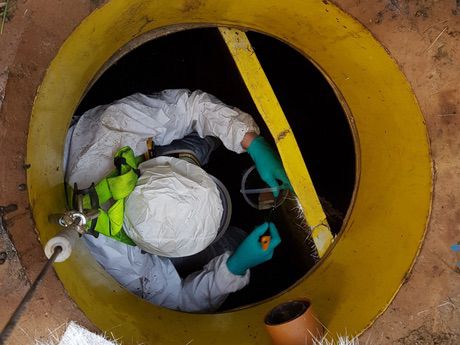
BS EN 858-2 requires a full structural integrity inspection at least every 5 years. This involves emptying the interceptor completely, confined space entry for internal inspection, and detailed assessment of the tank structure, pipework, and all mechanical components.
After inspection, the interceptor must be recharged with clean water to ensure it remains functional. We provide comprehensive documentation of the 5-yearly inspection for your environmental audit trail.
Whether it’s an emergency or you’re planning ahead, we’re ready to help.

Cracks in concrete or GRP (Glass Reinforced Plastic) interceptor shells allow contaminated water to leak into the surrounding ground—creating a pollution pathway that bypasses the separator entirely. We repair damaged interceptors using:
Class 1 interceptors rely on coalescing filters to achieve their pollution prevention performance—designed to reduce oil concentration in discharge to below 5mg/litre. Over time, these filters degrade, become blocked, or fail completely.
Full retention interceptors are equipped with Automatic Closure Devices—float mechanisms that seal the outlet when oil levels reach capacity, preventing major spills during an oil surge. A failed ACD can allow a catastrophic discharge.
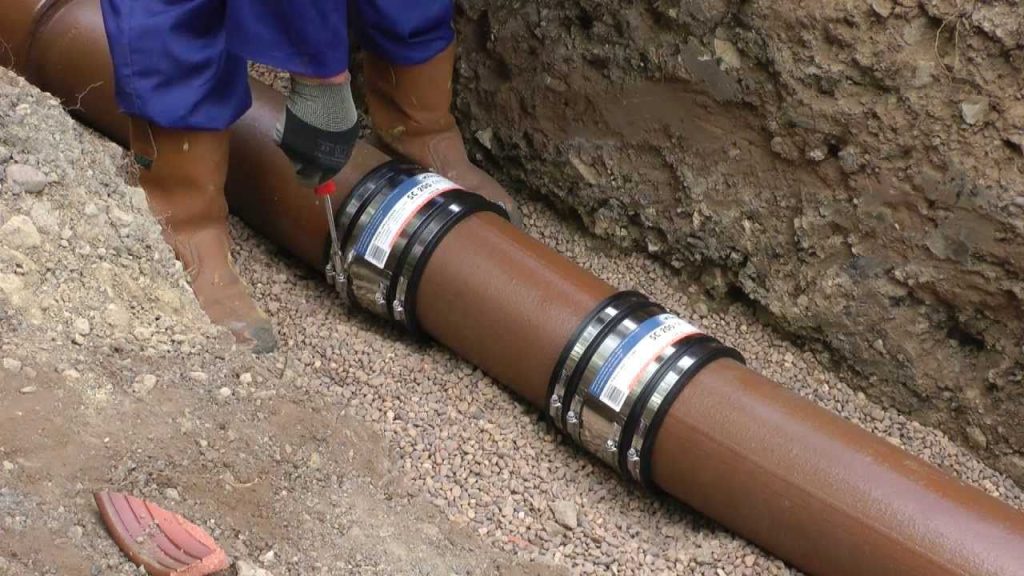
Interceptor chambers take significant punishment from traffic loading, chemical erosion, and ground movement. We repair:
Not all interceptors are the same. Understanding the difference between Class 1 and Class 2 separators is essential for maintenance and compliance.
If your site discharges to surface water or a watercourse, you need a Class 1 separator with properly maintained coalescing filter. Many older installations have Class 2 separators that no longer meet current requirements—we can advise on upgrade options.
Discharge standard: Less than 5mg/litre oil
Key feature: Coalescing filter fitted
Required for: Discharge to surface water drains, watercourses, soakaways, or sensitive environments
Maintenance note: Filter condition is critical to performance—requires regular inspection and replacement
Discharge standard: Less than 100mg/litre oil
Key feature: No coalescing filter
Required for: Discharge to foul sewer only (with water authority consent)
Maintenance note: Simpler maintenance but still requires regular inspection and silt management
"Called them at 11pm on a Saturday with a flooded basement. They were there within the hour and had it sorted by morning. Absolute lifesavers."
BS EN 858-2 requires a full structural integrity inspection at least every 5 years. This involves complete emptying, internal inspection (confined space entry), and detailed assessment of the tank structure and all components. Between 5-yearly tests, routine maintenance inspections should be conducted at least every 6 months.
Persistent alarms usually indicate one of three issues: high oil levels approaching capacity, excessive silt accumulation reducing effective volume, or a faulty sensor/probe. Before assuming the system needs emptying, we check sensor calibration and function—sometimes a simple probe clean or recalibration resolves the issue without an expensive tanker visit.
In most cases, yes. We use advanced internal lining techniques, epoxy crack injection, and GRP repairs that restore interceptor integrity without excavation. This saves significant cost and disruption compared to replacement. Only in cases of severe structural failure—complete collapse or major displacement—is excavation typically required.
Class 1 interceptors include a coalescing filter and are designed to achieve discharge concentrations below 5mg/litre of oil—required for discharge to surface water, watercourses, or sensitive environments. Class 2 interceptors have no coalescing filter and achieve approximately 100mg/litre—only suitable for discharge to foul sewer with water authority consent. If your site discharges to anything other than foul sewer, you need a Class 1 separator.
Not necessarily. The 6-monthly requirement is for inspection and maintenance, not automatic emptying. If inspection shows silt and oil levels are within acceptable limits and all components are functioning, emptying may not be required. However, if levels have reached intervention thresholds, emptying is necessary. Proper maintenance is about monitoring conditions, not just routine emptying regardless of need.
You should maintain records of all interceptor inspections, maintenance, repairs, and emptying operations. These records should be available for Environment Agency inspection and should document the condition of the separator, works undertaken, and any recommendations. We provide comprehensive technical reports for every visit, creating the audit trail you need to demonstrate due diligence.